Introduction
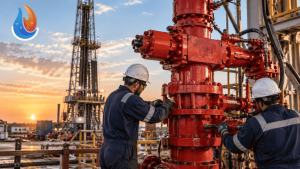
In oil and gas operations, Blowout Preventers (BOP) and pressure control equipment are critical for safe drilling and production activities. These systems prevent uncontrolled release of well fluids and ensure operational safety. Regular inspection, maintenance, and certification of BOPs and associated pressure control equipment are essential for compliance and operational efficiency.
Industry leaders rely on professional pipeline inspection services and experienced industrial inspection companies to maintain these systems. With proper servicing, companies can reduce the risk of incidents, extend equipment life, and enhance operational reliability.
What Are BOP & Pressure Control Equipment Services?
BOP & Pressure Control Equipment Services encompass inspection, maintenance, repair, and certification of equipment designed to safely manage well pressure during drilling and production operations.
Services typically include:
- Visual and functional inspection of BOPs
- Pressure testing and certification
- Valve and choke system evaluation
- Preventive maintenance
- Repair and refurbishment
Professional inspection ensures the equipment functions correctly under high-pressure conditions and meets all regulatory and safety standards.
The Importance of Pipeline Inspection Services
Pipeline inspection services are critical in maintaining integrity and safety throughout the oil and gas supply chain. Pipelines transport crude oil, natural gas, and other fluids across long distances, often through challenging terrains.
Pipeline inspection services help detect:
- Corrosion or material degradation
- Cracks and leaks
- Pressure anomalies
- Mechanical damage
By identifying issues early, organizations can prevent catastrophic failures, environmental hazards, and costly downtime.
Role of an Industrial Inspection Company
A reputable industrial inspection company provides the expertise and equipment necessary to evaluate critical oil and gas infrastructure, including BOPs, pressure control devices, and pipelines.
Key functions include:
- Conducting non-destructive testing (NDT)
- Performing load and pressure testing
- Inspecting welding and structural integrity
- Preparing detailed inspection reports
- Ensuring compliance with industry standards
Working with a certified industrial inspection company ensures operations meet regulatory requirements while maintaining safety and reliability.
Steps in BOP & Pressure Control Equipment Inspection
- Visual Inspection – Check for visible wear, damage, or corrosion.
- Functional Testing – Verify operational performance of valves, rams, and chokes.
- Pressure Testing – Confirm equipment can withstand rated pressures.
- Non-Destructive Testing (NDT) – Detect hidden cracks or material defects.
- Certification & Documentation – Issue formal certification and detailed inspection reports.
Regular inspections reduce risk of blowouts, equipment failure, and operational downtime.
Common Challenges in BOP & Pressure Control Services
- High-pressure operating environments
- Corrosion and wear due to exposure to drilling fluids
- Equipment complexity requiring specialized knowledge
- Regulatory compliance and documentation requirements
- Access to offshore and remote operations
Engaging professional pipeline inspection services and a certified industrial inspection company mitigates these challenges and ensures safe operations.
Benefits of Professional BOP & Pressure Control Equipment Services
- Enhanced Safety – Minimize the risk of blowouts and uncontrolled releases.
- Regulatory Compliance – Meet local and international oil and gas regulations.
- Operational Reliability – Reduce unexpected downtime and equipment failures.
- Extended Equipment Life – Prevent premature wear and damage.
- Documentation & Reporting – Maintain records for audits and safety verification.
Future Trends in BOP & Pressure Control Inspections
- AI & Predictive Maintenance – Using sensors and data analytics to anticipate failures.
- Remote Inspection Technology – Drones and remote monitoring for hard-to-access locations.
- Advanced NDT Techniques – Ultrasound, radiography, and magnetic particle testing for early defect detection.
- Digital Documentation – Cloud-based tracking of inspection history and certifications.
Companies adopting these innovations achieve safer, more efficient operations while reducing costs.
Conclusion
Proper maintenance and inspection of BOP and pressure control equipment is critical for the safety, reliability, and efficiency of oil and gas operations. Partnering with expert pipeline inspection services and a certified industrial inspection company ensures equipment integrity, regulatory compliance, and operational continuity.
By investing in regular inspection, testing, and certification, companies can protect their personnel, minimize environmental risks, and ensure uninterrupted production.